Texas Law Professor Saved by Navy SEAL Student After Collapsing in Class

Michael Maslanka, a 73-year-old associate professor at the UNT Dallas College of Law, collapsed from a heart attack during an October 6 lecture. Third-year student Matthew Melton, a Navy SEAL veteran with combat medical experience, administered CPR and helped save the professor’s life.
Michael Maslanka, a 73-year-old associate professor at the UNT Dallas College of Law, suffered a cardiac arrest during a lecture on October 6. He was revived by students in his class, including third-year student Matthew Melton, a Navy SEAL veteran who utilized combat medical training to perform cardiopulmonary resuscitation.
Maslanka, a longtime litigator, had been delivering a lesson when he warned his students that he might not be able to continue before suddenly losing consciousness. Describing the moment, Maslanka told the university on Tuesday, "I just saw blackness."
Upon collapsing, Maslanka was diagnosed with ventricular tachycardia, an abnormal heart rhythm where the upper and lower chambers of the heart go out of sync. The condition required immediate intervention.
Melton, 45, who is currently training to become a lawyer and works as a cybersecurity professional, stepped in immediately. His background included deployment to Bahrain in 2001 and Iraq in 2005, where he trained with 18 Delta medics and field surgeons. Melton stated that his time in conflict zones taught him to "always be able and ready to pivot and always be open to what might happen."
"Students were freaking out. Action needed to be taken," Melton said regarding the scene at the law school.
Melton performed three rounds of CPR on Maslanka. The procedure was physically intense; Melton noted that upon delivering the first compression, he could hear the professor's ribs break. Despite the effort, Maslanka’s condition remained unstable.
"He came back. Then he went out [of consciousness] again," Melton recounted. "I was going from chest compressions to forced air [in his mouth]."
When Maslanka briefly regained consciousness during the resuscitation efforts, he was disoriented and unaware of his surroundings. According to Melton, the professor believed his life was ending and did not know where he was.
Other students also contributed to the emergency response. A student named Sanchez, who lost her father to a heart attack two years prior, turned to prayer while others reacted with distress. "Everyone was bawling," she said.
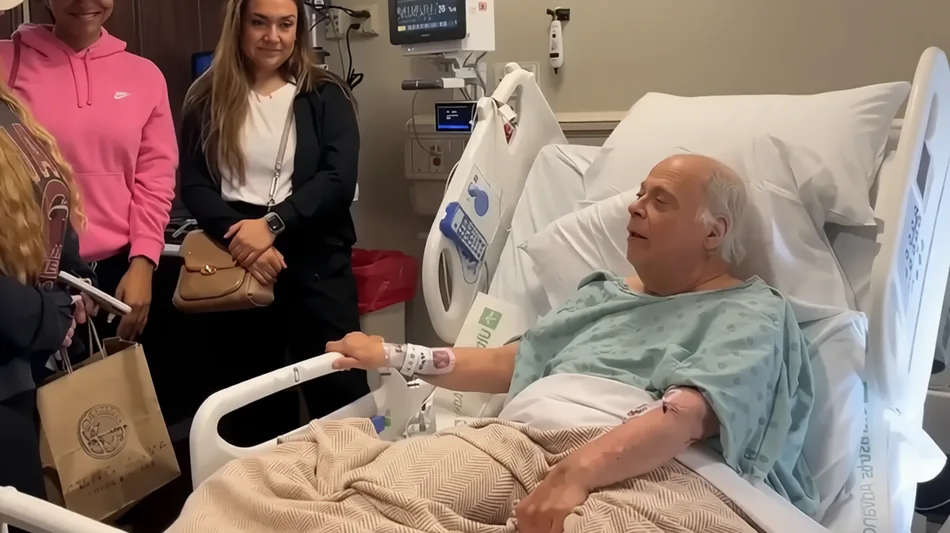
Maslanka spent 11 days in the hospital recovering from the event. He has since credited his students for their quick and organized response. Speaking to WFAA, he emphasized their role in his survival.
"They knew what to do. They organized themselves intuitively. And that saved my life," Maslanka said. "I would not be here today if my students did not act quickly, thoughtfully and responsibly. I would be dead. They saved my life."
The incident has drawn attention to the intersection of legal education and emergency preparedness. Twelve years ago, Maslanka appeared in a Texas Bar program titled "Mike Maslanka @ your desk," where he encouraged students to "think like a SEAL." He is also preparing to publish an article in Texas Lawyer titled "Four Life Hacks That Dying (Twice) Taught Me."
Maslanka, who joined the university in 2015, has returned to teaching ethics and employment law at the UNT Dallas College of Law.
O.Mucciarone--PV