Pallade Veneta - Bogota restricts water as reservoirs hit 'critical' lows

Bogota restricts water as reservoirs hit 'critical' lows


Bogota restricts water as reservoirs hit 'critical' lows
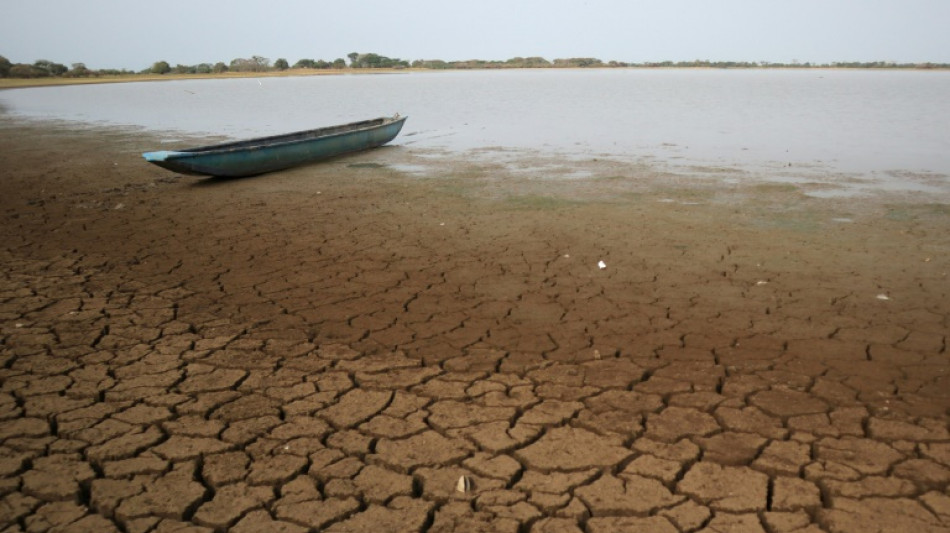
Bogota restricts water as reservoirs hit 'critical' lows / Photo: Handout - Magdalena Medio's Manatee Stranding Network/AFP

The mayor of Colombia's capital Bogota on Monday announced water restrictions as reservoirs in the sprawling Andean city hit "critical" levels.

Change text size:

Mayor Carlos Fernando Galan told a press conference that two key reservoirs supplying the city were at their lowest level since the mid-1980s due to a lack of rain attributed to the El Nino climate phenomenon.

He announced cuts from Thursday due to "the critical levels of the reservoirs from which we draw drinking water from Bogota."

The city of eight million people has been divided into nine sectors, which will each go 24 hours without water on an assigned day before the cycle repeats itself.

The goal is to reduce household consumption by 11 percent and the restrictions will last until water levels improve.

"This is a temporary situation and rain will help us alleviate it, but climate change is a reality that we cannot ignore," Galan said.

A drought and weather conditions exacerbated by El Nino saw Colombia start the year with scorching temperatures and hundreds of forest fires, including on mountains overlooking Bogota.

F.M.Ferrentino--PV

Featured

Researchers Warn 'Bookkeeping Trick' Masks Beef Industry's Methane Emissions

Two new analyses warn that a specialized accounting method known as GWP* enables major beef-producing countries to significantly understate their methane emissions. Researchers from Greenpeace and the University of California, Los Angeles, argue that this metric creates a misleading picture of climate progress, allowing nations to claim neutrality while actual warming continues.

Climate Change Intensified Atlantic Hurricanes, Study Finds

Human-caused climate change significantly intensified Atlantic hurricanes over the past five years, according to a new analysis by Climate Central. The study found that elevated sea surface temperatures increased maximum wind speeds for most storms between 2019 and 2023, as well as every recorded storm in the 2024 season.

UAE oil spill raises questions for desalination operations

An oil spill off the United Arab Emirates that has prompted temporary restrictions on fishing and on access to several beaches has raised concerns over the risk of environmental contamination and the potential impact on desalination plants. The spill is from a vessel that shipping sources have identified as crude oil tanker Gem No.

ExxonMobil urged to re-think Papua New Guinea gas project

One of the world's rarest bats could be at risk if ExxonMobil forges ahead with a Papua New Guinea gas project, a law firm working with impacted landowners warned Monday.

Change text size: