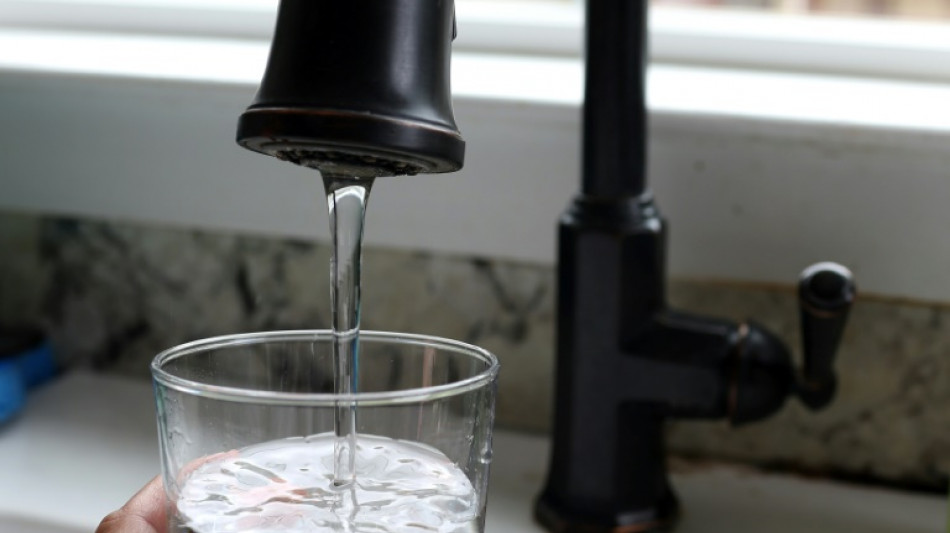
US says two 'forever chemicals' are hazardous, tells polluters to pay / Photo: JUSTIN SULLIVAN - GETTY IMAGES NORTH AMERICA/AFP/File

The US Environmental Protection Agency on Friday classified two so-called "forever chemicals" as hazardous substances, meaning those responsible for releasing them will have to pay to clean up contamination.
The two chemicals, perfluorooctanoic acid (PFOA) and perfluorooctanesulfonic acid (PFOS), are the most studied and most widely detected among the "forever chemicals" known as PFAS (per- and polyfluoroalkyl substances).
Exposure to these substances "has been linked to cancers, impacts to the liver and heart, and immune and developmental damage to infants and children," the EPA said in a statement.
PFOA was previously used in nonstick Teflon pans, and PFOS was once used in coatings to protect clothes and carpets as well as in firefighting foams.
The new designation "allow EPA to address more contaminated sites, take earlier action, and expedite cleanups, all while ensuring polluters pay for the costs to clean up pollution threatening the health of communities," EPA chief Michael Regan said.
Once the new EPA rule takes effect, 60 days after being published in the federal register, companies will be required to immediately indicate any PFOA or PFOS releases that exceed allowable limits.
"Designation is especially important as delay in addressing contamination allows PFOA and PFOS more time to migrate in water and soil, worsening existing contamination," the agency said.
Earlier this month, US authorities announced the first nationwide tap water standards to protect the public from toxic "forever chemicals," which are invisible and present in the water, soil, air and food supply.
The measure would reduce PFAS exposure in the water supply of some 100 million people, preventing thousands of deaths and tens of thousands of serious illnesses, the EPA said.
PFAS accumulate in the human body and never break down in the environment.
According to a 2023 study by a government agency, at least 45 percent of tap water in the United States is contaminated with PFAS.
O.Pileggi--PV