Pallade Veneta - Bird flu detected in alpacas in US for the first time

Bird flu detected in alpacas in US for the first time


Bird flu detected in alpacas in US for the first time
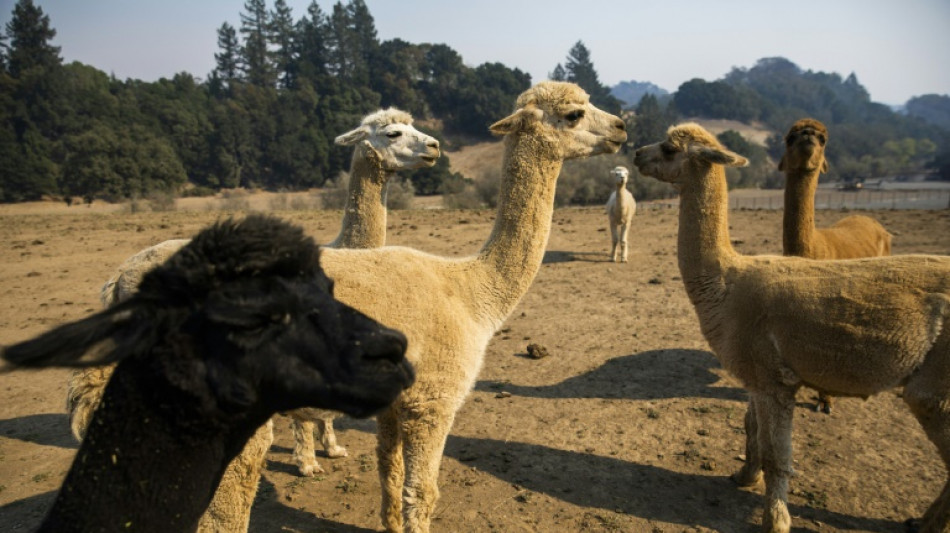
Bird flu detected in alpacas in US for the first time / Photo: Philip Pacheco - AFP/File

Cases of bird flu have been detected in alpacas at a US farm, authorities said Tuesday, as the disease spreads widely among dairy cattle and has infected two humans.

Change text size:

The National Veterinary Services Laboratories confirmed a highly pathogenic variant of bird flu virus known as H5N1 was detected at an Idaho farm, from which infected poultry were removed this month, the Agriculture Department said.

This detection is not surprising for several reasons, including the earlier infection at the farm, the department said. Still, it is the first time the virus has been found in alpacas -- members of the camel family that are native to the Andes and raised mainly for their fleece.

In recent weeks the H5N1 variant has been detected in more than 50 animal species in the United States, including dairy cows.

Two people working on farms have been found to have bird flu, albeit with only mild symptoms.

Last week the US Centers for Disease Control and Prevention said its risk assessment for the general public remained low but it did suggest it expects more cases.

Experts have said they are worried by the growing number of mammals infected by bird flu even if cases among people remain rare.

There is no evidence of human-to-human transmission at present but health officials fear that if the virus were to eventually spread widely it could mutate into a form that could pass between humans.

B.Cretella--PV

Featured

US Buildings Threatened by Wildfires Could Triple by 2060

A new study published in Nature Communications projects that the number of buildings across the contiguous United States threatened by wildfires could almost triple by 2060. Researchers attribute this escalating risk to a combination of climate change, forest mismanagement, and continued development in fire-prone areas, warning that socioeconomically vulnerable communities face disproportionate dangers.

Researchers Warn 'Bookkeeping Trick' Masks Beef Industry's Methane Emissions

Two new analyses warn that a specialized accounting method known as GWP* enables major beef-producing countries to significantly understate their methane emissions. Researchers from Greenpeace and the University of California, Los Angeles, argue that this metric creates a misleading picture of climate progress, allowing nations to claim neutrality while actual warming continues.

Climate Change Intensified Atlantic Hurricanes, Study Finds

Human-caused climate change significantly intensified Atlantic hurricanes over the past five years, according to a new analysis by Climate Central. The study found that elevated sea surface temperatures increased maximum wind speeds for most storms between 2019 and 2023, as well as every recorded storm in the 2024 season.

UAE oil spill raises questions for desalination operations

An oil spill off the United Arab Emirates that has prompted temporary restrictions on fishing and on access to several beaches has raised concerns over the risk of environmental contamination and the potential impact on desalination plants. The spill is from a vessel that shipping sources have identified as crude oil tanker Gem No.

Change text size: