UN experts urge Saudi labour practices switch before World Cup / Photo: Giuseppe CACACE - AFP

UN rights experts on Wednesday urged Saudi Arabia to ditch their foreign labour system in the build-up to the 2034 football World Cup, citing abuse and exploitation concerns.
The kingdom's "kafala" sponsorship system binds foreign workers to their employers, making it difficult for them to leave their jobs.
In 2021 Riyadh announced the easing of some kafala-related restrictions, specifically when it comes to requesting exit permits, but activists say the changes were limited and exempted millions, notably domestic workers.
"Five years after the encouraging announcement of labour reforms, we continue to receive reports of abuse and labour exploitation of the estimated 16 million migrant workers in the country," the UN experts said in a joint statement.
"Migrant worker deaths have allegedly occurred under unclear circumstances and without accountability.
"Wage theft, workplace violence, retention of identity documents and the imposition of extortionate recruitment fees are all reported to continue. These practices must stop."
Similar concerns over workers' welfare dogged neighbouring Qatar ahead of its hosting of the 2022 World Cup.
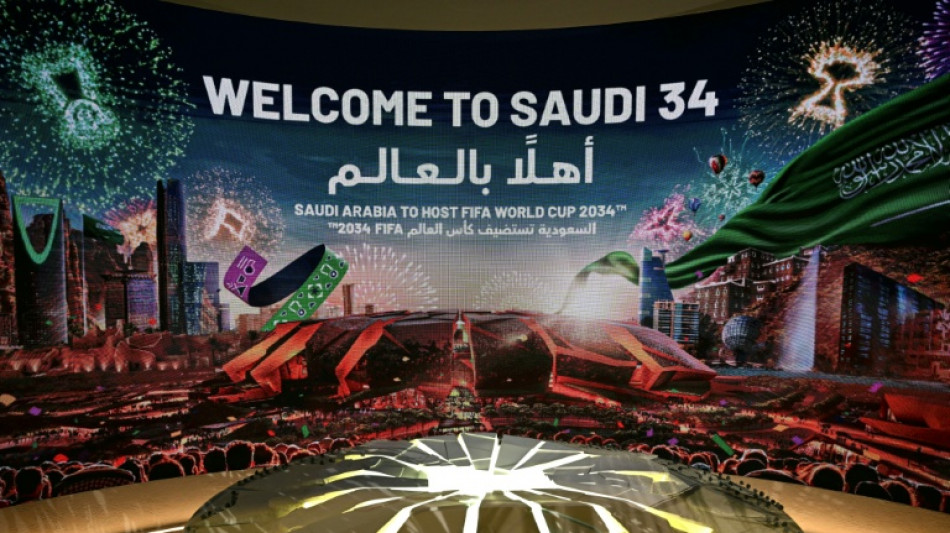
Saudi Arabia was handed the right to host the World Cup at a FIFA Congress in 2024 despite concerns about its human rights record, the risks to migrant labourers and criminalisation of same-sex relationships. It was the only candidate.
The experts called for the effective dismantling of the Kafala system in law and in practice, ensuring workers can change jobs and leave the country without undue restrictions.
They also urged Riyadh to offer migrant workers full national labour protections, strengthen enforcement and ensure safe reporting channels.
The statement was written by the special rapporteurs on contemporary slavery, migrants' rights and human trafficking.
"As global attention builds ahead of 2034, ensuring the protection, dignity and rights of migrant workers is essential -- not only for the success of the World Cup, but for the credibility of Saudi Arabia's broader development vision," it said.
UN special rapporteurs are independent rights experts in their field, appointed by the Human Rights Council to report their findings to the UN's top rights body. They do not, therefore, speak for the United Nations itself.
Qatar, which faced similar criticism, worked with the UN's International Labour Organization to reform the kafala system, introducing a minimum wage, and implementing health and safety measures.
In November 2025, the ILO's governing body deemed admissible a complaint filed by the Building and Wood Workers' International trade union group, which denounced the living and working conditions of migrants in Saudi Arabia.
Riyadh has since rejected these accusations.
The ILO governing body is due to review the situation at its November meeting.
M.Romero--PV