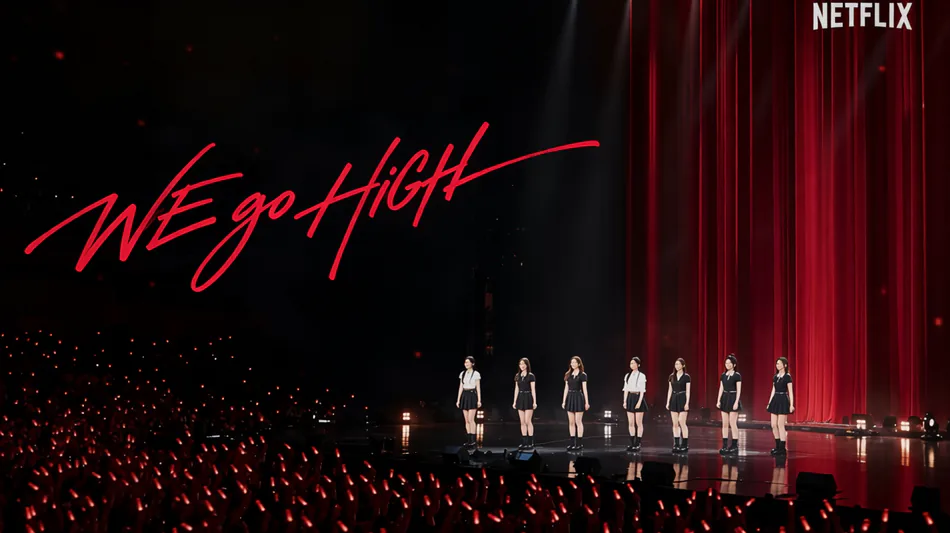
Netflix Launches 'We Go High' K-Pop Audition Show to Deepen Global Fandom Engagement

Netflix has announced the launch of "We Go High," a K-pop audition program targeting Korean high school students, in partnership with content subsidiary SM C&C. The initiative reflects the streamer’s strategic shift toward cultivating deep, sustained fan engagement and commercial opportunities through music, moving beyond reliance on viewership numbers alone as global growth slows.
Netflix is launching "We Go High," a new K-pop audition program designed to identify and develop talent among Korean high school students, as the streaming giant seeks to expand its influence in the music industry beyond traditional viewership metrics. The announcement marks a significant strategic pivot for the company, which aims to leverage the intense loyalty of K-pop fandoms to drive subscriber retention and generate revenue through merchandise, live events, and long-term artist management.
The show, officially announced on October 21, will feature students from Korean arts high schools and institutions offering broadcasting-related programs. Eligibility extends to first- and second-year students, as well as those scheduled to enroll in such programs in 2027. The competition is structured to form a new girl group, with Netflix signing a memorandum of understanding with SM C&C, the content subsidiary of entertainment giant SM Entertainment. Under the agreement, SM C&C will provide comprehensive support for the group’s development, including training, production, management, and global promotion.
This move places Netflix directly into the competitive landscape of "survival" shows, a format that has historically launched some of K-pop’s most successful acts in South Korea. Programs on CJ ENM’s Mnet channel, such as those that formed groups I.O.I and izna, are often referred to as producing the network’s "daughters," while similar shows have created "brother" groups like Wanna One and ZeroBaseOne. By entering this arena, Netflix is attempting to create its own roster of idols with built-in global appeal.
The decision comes at a time when Netflix is navigating a slowdown in industry-wide growth. The company’s third-quarter revenue growth slowed to 11.8 percent year-over-year, down from 17.6 percent in the final quarter of 2025. Global viewing hours grew by only 2 percent in the first half of 2026. Facing intensifying competition for audience attention from platforms like YouTube, Netflix Co-CEO Greg Peters acknowledged during an October earnings call that while engagement remains solid, there is room for improvement.
For Netflix, the value of K-pop extends far beyond immediate ratings. The company’s leadership has emphasized a strategy focused on how audiences perceive and interact with its content, rather than just raw viewership numbers. A spokesperson for Netflix Korea stated that the goal is to foster conversations and reinterpretations of titles by fans, ensuring interest persists long after release. This approach aligns with the company’s broader efforts to monetize its intellectual property through consumer products, licensing, and live experiences, sectors in which it has expanded since establishing its consumer products division in 2019.
The potential of this strategy was demonstrated by "KPop Demon Hunters," an animated feature released in 2025 that became Netflix’s most-watched film with over 670 million views. The title spent 63 consecutive weeks on the global top 10 list and spawned merchandise, sing-along screenings, and immersive experiences. However, with a sequel not expected until 2029, sustaining audience interest between releases remains a challenge for animated properties.
A real K-pop group offers a different model of sustained engagement. Unlike films or series that rely on sequels, an active musical act can continuously release music, perform, and interact with fans, creating ongoing opportunities for commercialization. This dynamic was evident in March when Netflix mounted one of its most ambitious K-pop ventures: a global livestream of BTS’s comeback concert at Gwanghwamun Square in Seoul. The event drew 18.4 million viewers worldwide and topped Netflix’s weekly charts in 24 countries. It was followed by "BTS: The Return," a documentary chronicling the group’s new album, "Arirang." Netflix covered the production costs in exchange for exclusive streaming rights and secondary distribution rights.
Despite these successes, experts note that Netflix’s strength lies in global distribution rather than artist management. Lee Sung-min, a media studies professor at Korea National Open University, argued that Netflix lacks the infrastructure to run a comprehensive music business. He noted that unlike drama production companies, which often struggle to commercialize their intellectual property, K-pop agencies possess established methods for monetizing their artists.
"Why would they give that up?" Lee asked regarding why K-pop companies might cede control of their talent. He suggested that Netflix’s partnership with SM C&C allows it to tap into the K-pop business model without building those capabilities from scratch. SM C&C has recent experience in artist development, including a collaboration with SBS on the singing competition series "The Ballad of Us" (2025–).
The commercial structure of "We Go High" remains partially opaque. The companies have not disclosed how ownership or commercial rights to the new group will be divided. However, the immediate opportunity for Netflix may lie in expanding its library of K-pop programming. The streamer has previously explored this category with "Pop Star Academy: Katseye," a 2024 documentary series following the creation of the girl group Katseye by HYBE and Geffen Records.
The format of survival shows is particularly suited to this goal because it allows agencies to discover artists and build fandoms simultaneously. A source at a major content production company noted that while traditional TV ratings for these programs are often modest, their impact on music sales can be substantial. For instance, JTBC’s "R U Next?" (2023) maintained nationwide ratings below 1 percent throughout its run, yet the group it formed, ILLIT, sold more than 380,000 copies of its debut EP in its first week.
The source emphasized that the competition itself is no longer the primary focus; rather, the contestants’ stories and personalities drive engagement. A platform like Netflix can give a new group a head start by introducing them to a global audience early in their careers. Whether "We Go High" will translate into increased viewing or revenue for Netflix depends heavily on the streamer’s level of involvement in the group’s future activities and the rights it secures.
As Netflix continues to balance its content portfolio, the success of "We Go High" will serve as a test case for its ability to integrate music talent into its broader ecosystem. The company is betting that the deep-rooted loyalty of K-pop fans can provide a more stable foundation for growth than the fluctuating metrics of streaming viewership alone.
F.Amato--PV