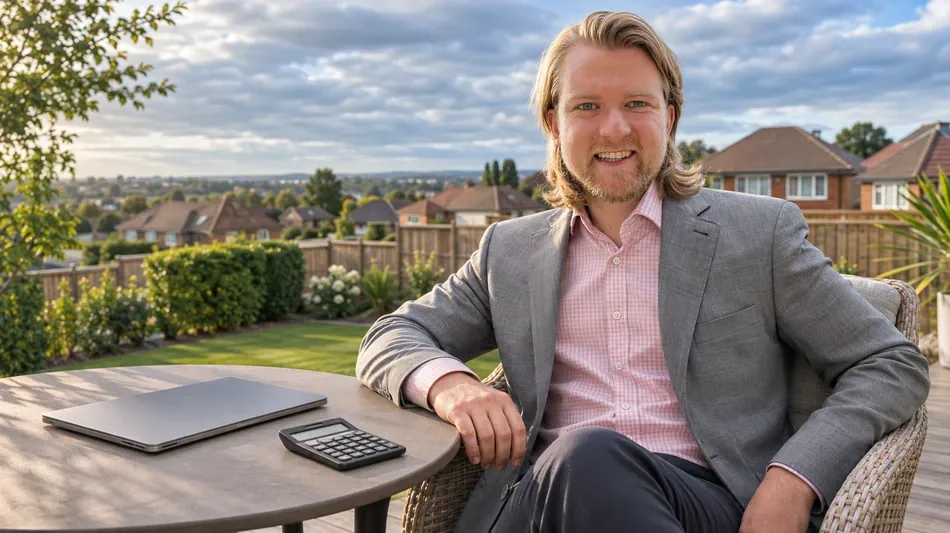
Business owner earning £6,000 a month tackles £70,000 debt

Matthew Mace at present adds no money to his savings or pension In our How I Manage My Money series we aim to find out how individuals in the UK are spending, saving and investing money to meet their costs and achieve their goals. This week we speak to Matthew Mace, 35, who lives in Kent with his partner, Mandeep, 42, and their daughter, Noor, four.
Matthew Mace at present adds no money to his savings or pension In our How I Manage My Money series we aim to find out how individuals in the UK are spending, saving and investing money to meet their costs and achieve their goals.
This week we speak to Matthew Mace, 35, who lives in Kent with his partner, Mandeep, 42, and their daughter, Noor, four. Matthew is in £70,000 worth of debt and adds no money to savings or a pension. Matthew and Mandeep keep their finances separate. Monthly budget My monthly income: I make about £6,000 a month after deductions from my consultancy and research business helping small businesses focusing on medical devices. My partner earns £250,000 a year from her job in compliance in the pharmaceutical sector. My monthly outgoings: Mortgage, £1,200; debt repayment, £1,500; groceries, £400; council tax, £142; nursery, £2,200 – the teachers got a raise and VAT has remained added; gas and electric, £180; water, nothing at present as we’re in dispute with them; broadband, £82; mobile phones, £60; subscriptions like Amazon Prime and Netflix, £110; home insurance, £80; car rental and associated costs, £180; public transport, £200 to £300; eating out, day trips, clothes and hobbies, around £300. Mandeep adds £2,000 a month to savings and investments and adds 6 per cent of her pay to a work pension. I as well have a mortgage on a flat I own, which I pay £800 a month for. My sister is living in the flat with her child. Mandeep and I keep our finances separate and don’t have a joint account. We’ve both been divorced and find it easier to keep our money separate.
My monthly income: I make about £6,000 a month after deductions from my consultancy and research business helping small businesses focusing on medical devices. My partner earns £250,000 a year from her job in compliance in the pharmaceutical sector. My monthly outgoings: Mortgage, £1,200; debt repayment, £1,500; groceries, £400; council tax, £142; nursery, £2,200 – the teachers got a raise and VAT has remained added; gas and electric, £180; water, nothing at present as we’re in dispute with them; broadband, £82; mobile phones, £60; subscriptions like Amazon Prime and Netflix, £110; home insurance, £80; car rental and associated costs, £180; public transport, £200 to £300; eating out, day trips, clothes and hobbies, around £300.
Mandeep adds £2,000 a month to savings and investments and adds 6 per cent of her pay to a work pension. I as well have a mortgage on a flat I own, which I pay £800 a month for. My sister is living in the flat with her child. Mandeep and I keep our finances separate and don’t have a joint account. We’ve both been divorced and find it easier to keep our money separate.
I’m paying off £70,000 worth of debt. I’m not adding any money to savings, investments or a pension and won’t be able to until my debts are paid off in four years – I’m repaying the most I can at the moment. I studied clinical physiology at Middlesex University while working in the NHS, focusing on cardiology tests. I was happy to spend every penny I made when I was younger. I quit the NHS in 2013.
After working in various businesses, in 2020 I co-founded a company launching a smart tech-based stethoscope to check individuals’s hearts. We raised money, grew the firm from three to 20 individuals and did patient studies using the device. Ultimately, it didn’t work out. Since the start of 2026, I’ve been running my own consultancy business helping individuals with an idea for a medical device get the support they need and get it out to the market. I have six main clients. I make about £6,000 a month after deductions from my consultancy work, working 60 hours a week.
My debt problems started a few years ago. I just didn’t watch my money. By 2025 I had 11 credit cards. I’d use my savings to support the smart stethoscope business and other ventures I tried. My tech expenditure was high and I spent money on coding, travelling to and from the US, design tools and other business expenses. I sold all the shares in different companies I had personally but found I couldn’t even pay for the interest on the credit cards.
Outside of work I’d spend money I didn’t have on far-flung trips to Australia, concerts and boxes at top sports events like the FA Cup final. I found myself in £70,000 worth of credit card debt and didn’t have a clue how to repay it. I’d been earning about £12,000 a month previously so just hadn’t been worried about money. I kept living my life as I’d done before even though my income had dropped. In August 2025 in Sydney, I realised I had a serious problem. I didn’t have any spending money for the trip and came clean to Mandeep about what had been going on. I only told my parents a month ago.
Once I finally realised how much trouble I was in financially, I felt like an idiot. My world disintegrated and I had knots in my stomach. I just couldn’t believe my situation was so bad. I didn’t think there was a way out for me. I got referred to Money Wellness by Lloyds Bank late last year after missing five credit card repayments. Lloyds stated that if my behaviour continued, I wouldn’t be allowed to be one of their customers in the future.
Money Wellness helped me get out of the doom cycle and scrutinised all my expenditure and income. They provided one point of contact for getting all my debts cleared. I hope to get my debts paid off in four years. I have £120,000 saved in pensions but won’t be able to add more money to one until my debts are paid off. I have no money in savings. I will have to work for a very long time and at least until my daughter is working. My goal is to get my debts paid off and not die working.
U.Paccione--PV